

High Performance Computing
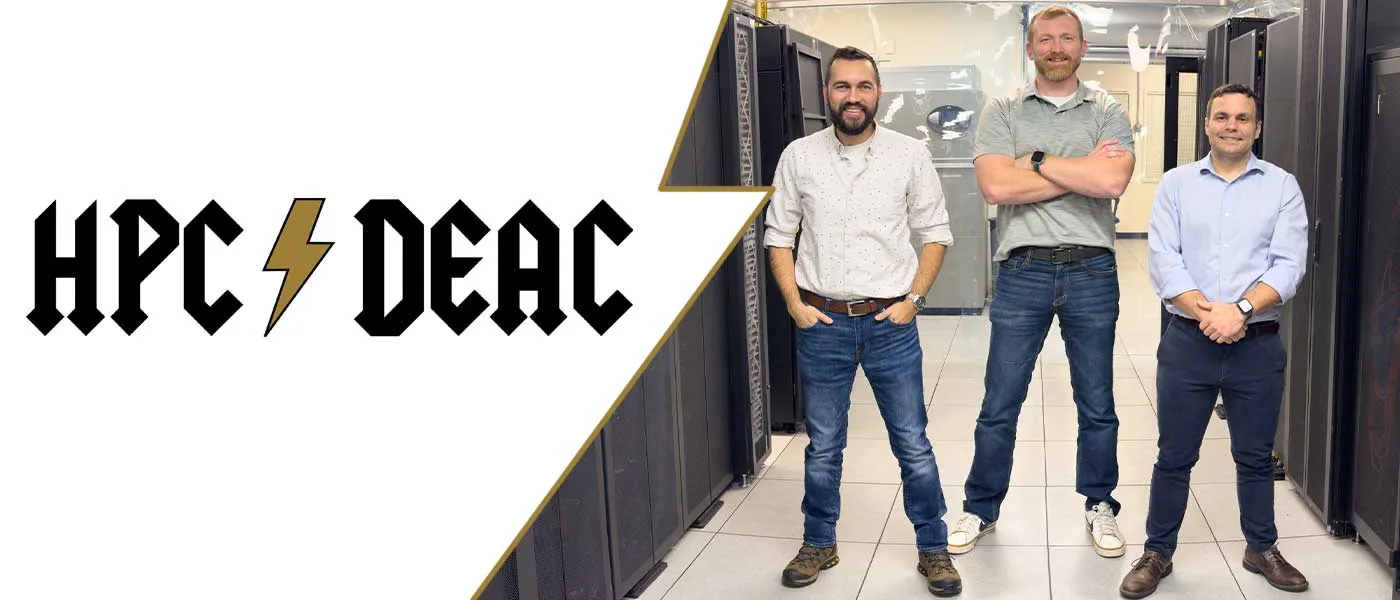
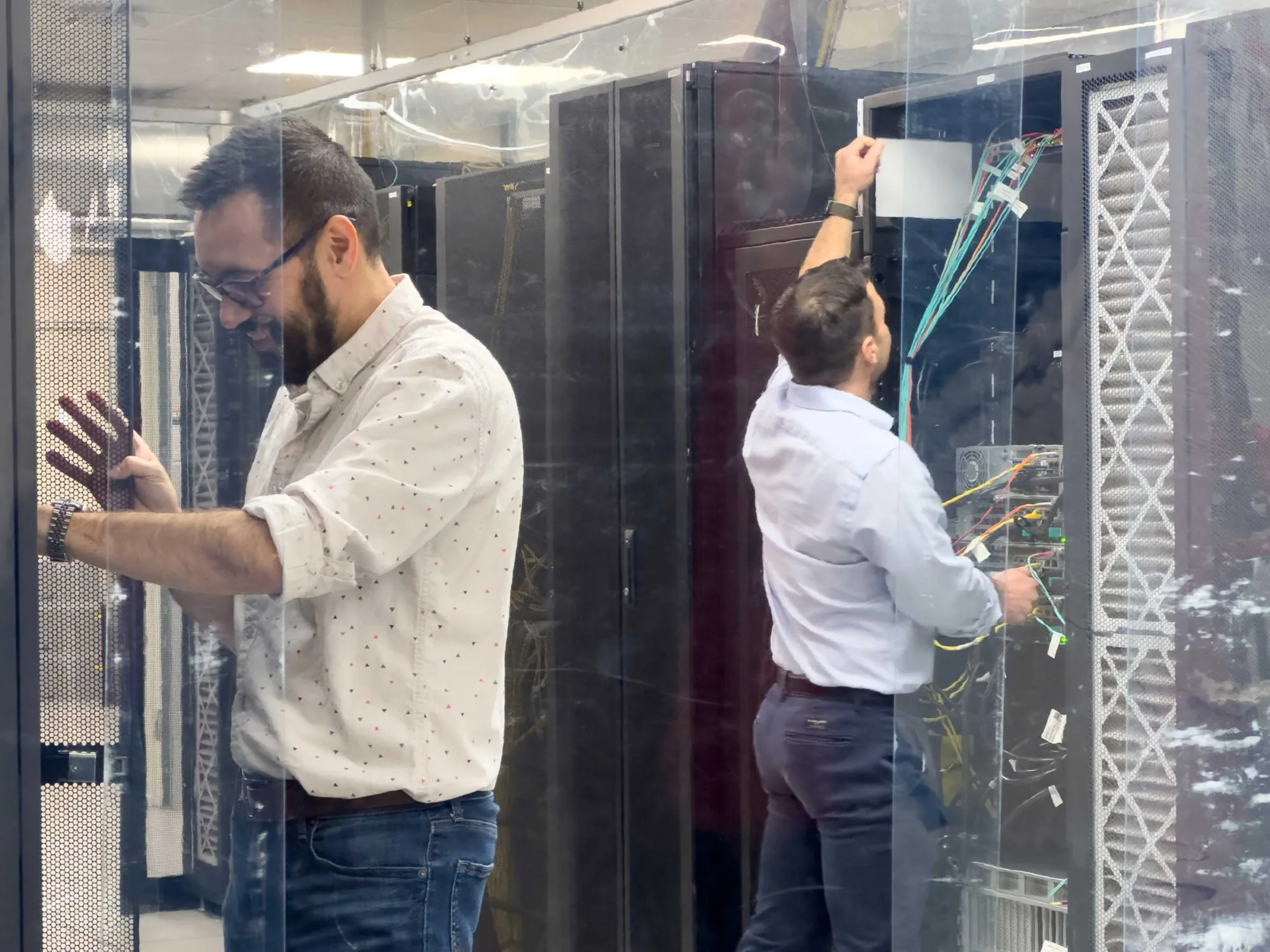
The Distributed Environment for Academic Computing (DEAC) is Wake Forest University’s High-Performance Computing (HPC) Cluster. The facility was established in July 2002 and now provides a centralized research computing environment for the entire University. The HPC Team provides centralized support of the DEAC Cluster, ensuring it is a stable, robust, and accessible resource that allows the education and research communities to focus on their primary mission. Read more about the HPC Team.
Benefits of utilizing HPC Team services and using the DEAC Cluster
Flexibility
Staff regularly update DEAC Cluster hardware, continuously integrating new resources, and optimizing code for research computing or general-purpose GPU computing.
Reliability
The DEAC Cluster offers reliable, enterprise level service, supported by the HPC Team and Information Systems staff, dedicated to the facility.
Scalability
Can meet the needs of a variety of use cases; from small research groups with big research problems, to large research groups with many small research problems, to classrooms, to individuals with lots of data.
Support
As HPC continues to grow into disciplines not traditionally accustomed to large computational environments, our dedicated team provides training to new users, and supports an easy to use Web GUI that significantly reduces barriers to traditional Linux command line access.
The HPC Team supports the entire Wake Forest computational research community, beyond the DEAC Cluster for various efforts and services including AI, LLMs, Cloud Computing, and Data Management. Some key areas of support include:
- The High Performance Computing Lab: The HPC Team’s home in Alumni Hall, alongside the Computer Science Department, is designed to be a collaborative space for all faculty and students to use.
- Software Installation: We maintain a wealth of general scientific software and coding languages, configure specific coding environments and module installations, and offer disciplinary specific installations and optimation.
- Computational Resources: We design, install, maintain, and upgrade the entire WFU DEAC Cluster facility and a variety of cloud based resources.
- Storage and Data Management: Data management has quickly become a large hurdle for researchers from all disciplines. We handle storage path creation, data access restrictions, and offer data archive and migration services as well.
- Grant writing support: We can offer assistance for grants with template descriptions, providing resource calculations, and can offer letters of support for proposals.
- Education and Training: From guest lecturing in computational courses, to cluster tutorials, to advanced programming design assistance, we are available to assist research groups in efficiently using the cluster.
Request an Account
There are multiple scenarios in which an account request to use the DEAC Cluster will be approved. Each revolves around research and learning at Wake Forest University, including, but not limited to:
- Faculty members pursuing active research or developing innovative course curriculum requiring the use of resources provided by the DEAC Cluster.
- Students who wish to conduct their own research or participate within a faculty research group on the DEAC Cluster must receive a faculty endorsement for their account creation. This faculty becomes the owner of their research data paths upon the students eventual graduation / departure from Wake Forest.
- Students who are enrolled in a course that has requested use of the WFU DEAC Cluster as part of an integral role in the course curriculum, ideally instructors will provided class rosters. The course related accounts shall only be valid for duration of the course.
- External collaborators who are not directly affiliated with Wake Forest University provided that the person is directly collaborating with and endorsed by a faculty member that has an existing account on the WFU DEAC Cluster. These accounts will also require the creation of a WFU guest account for VPN access, both shall be valid only for the length of the collaboration request and renewal will be needed if the collaboration extends beyond the original timeline.
- Staff members whose department head or supervisor endorses the request for access, and will be conducting research on behalf or in support of a faculty member (or Information Technology Group), or for the development and/or instruction of a course requiring the use of the WFU DEAC computing environment.
Software
Several licensed software packages have been acquired and/or maintained by the DEAC Cluster facility for the benefit of research computing. The facility also makes available some research computing focused software that is licensed for the entire Wake Forest University community.
Wake Forest University faculty, staff, or students with an active cluster account may request software installation on the DEAC Cluster.
Please note: if you are not a faculty member, your software request will need to be approved by a faculty sponsor. You may speed up the software installation process by having your faculty sponsor send an email to the support team () indicating your request is supported.
Service Links
Launch
Useful Links
HPC User DEAC Cluster Account Policy
Training Resources
Request Access to DEAC Cluster
More About The HPC
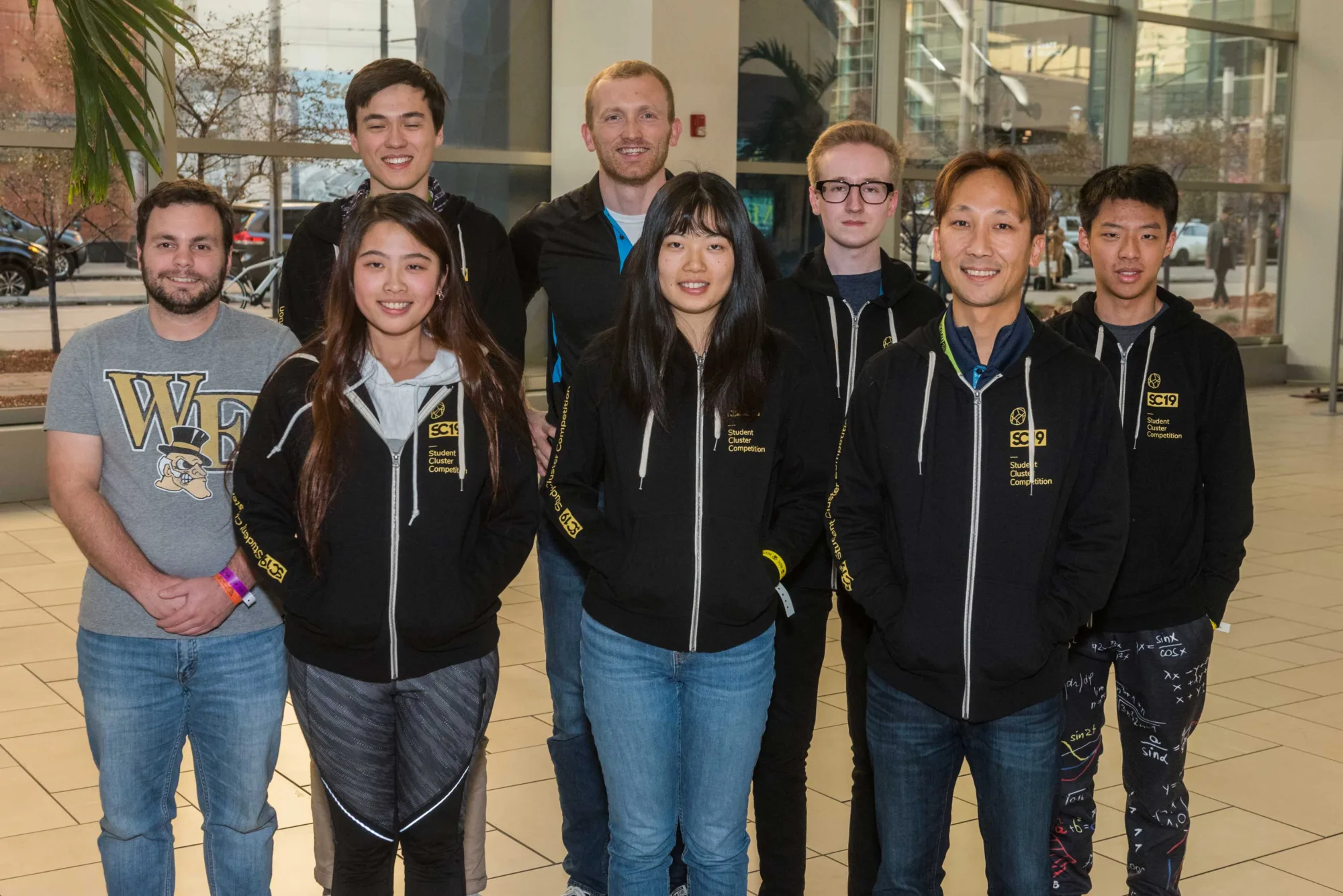
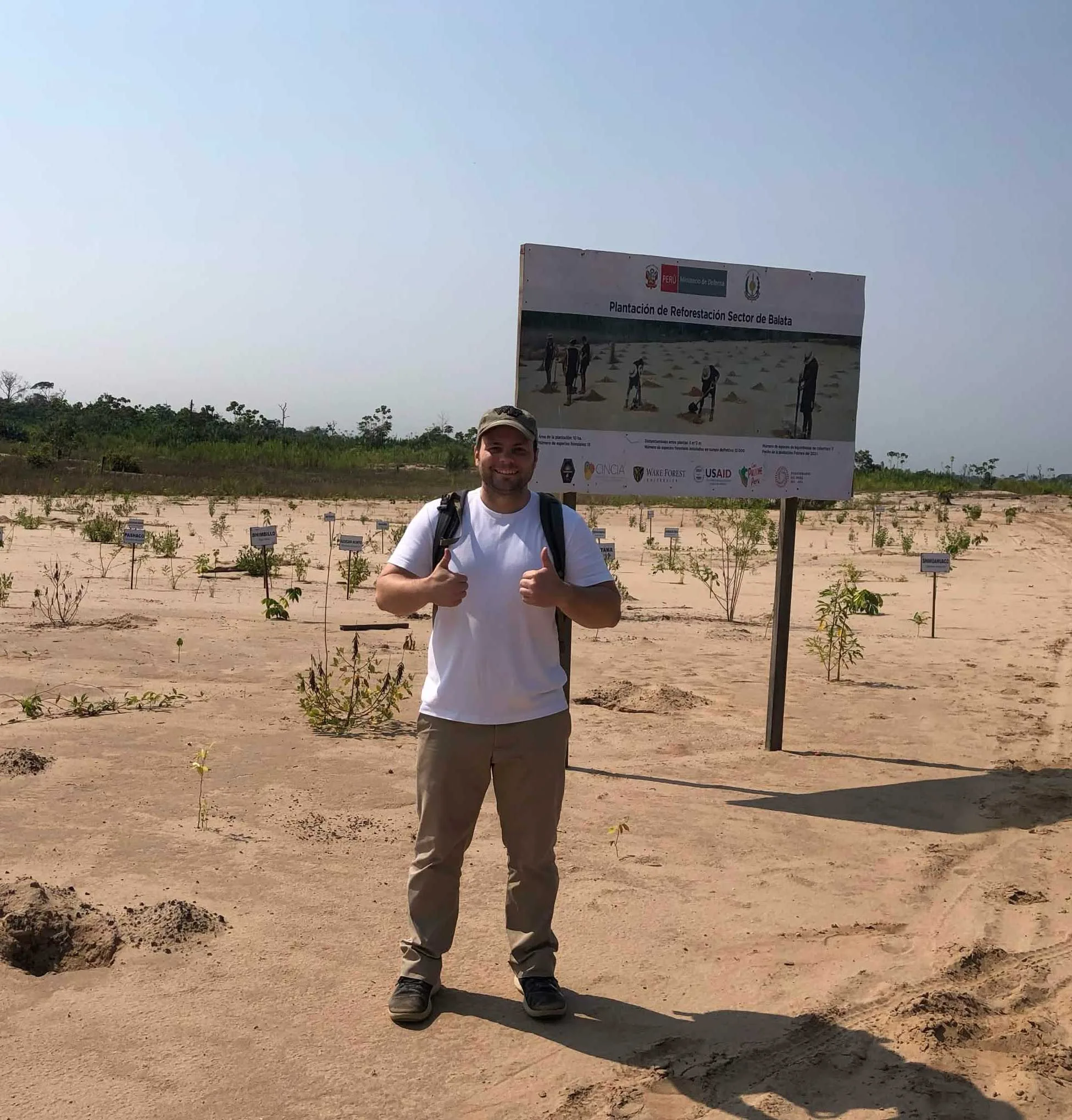
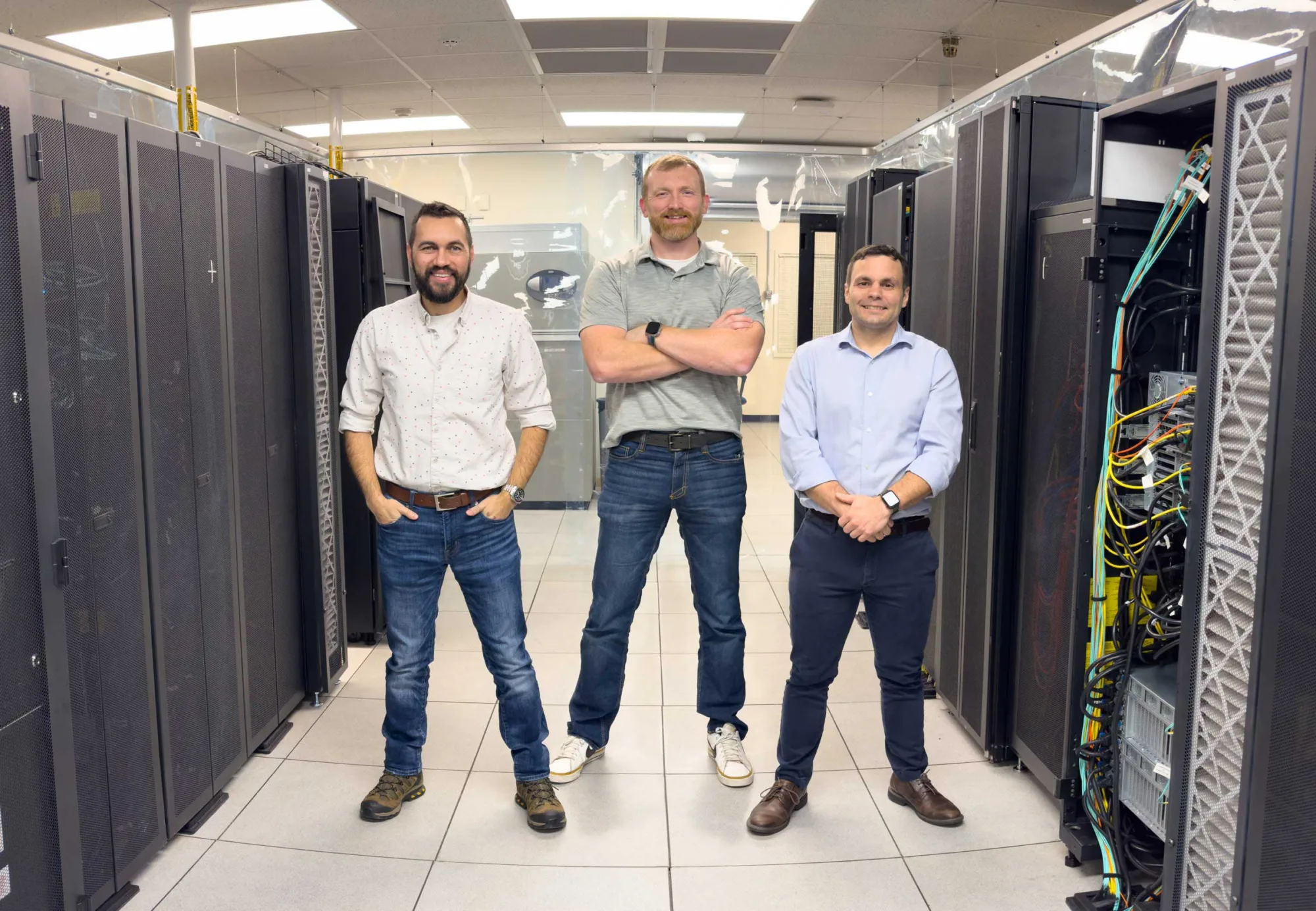
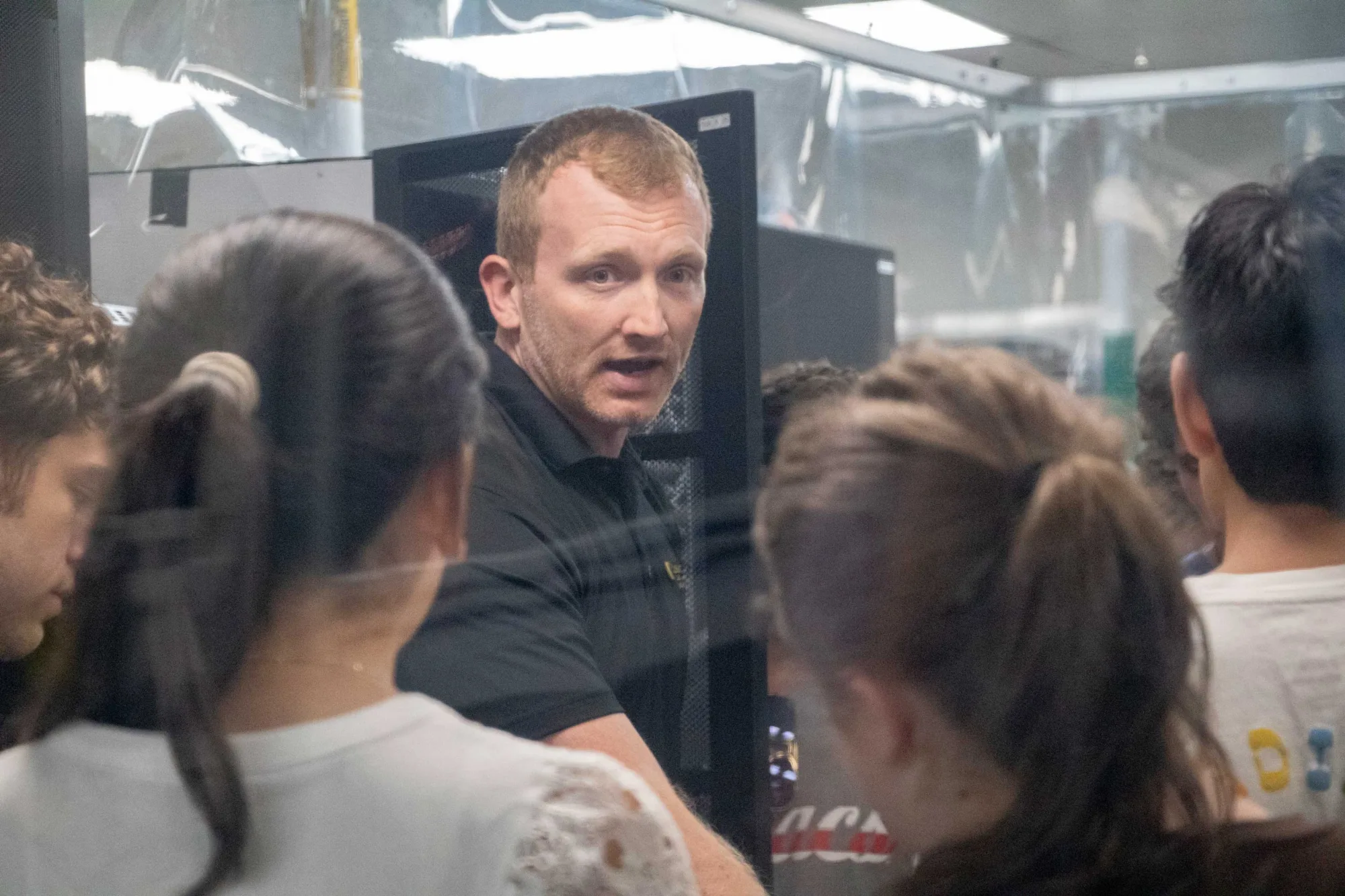
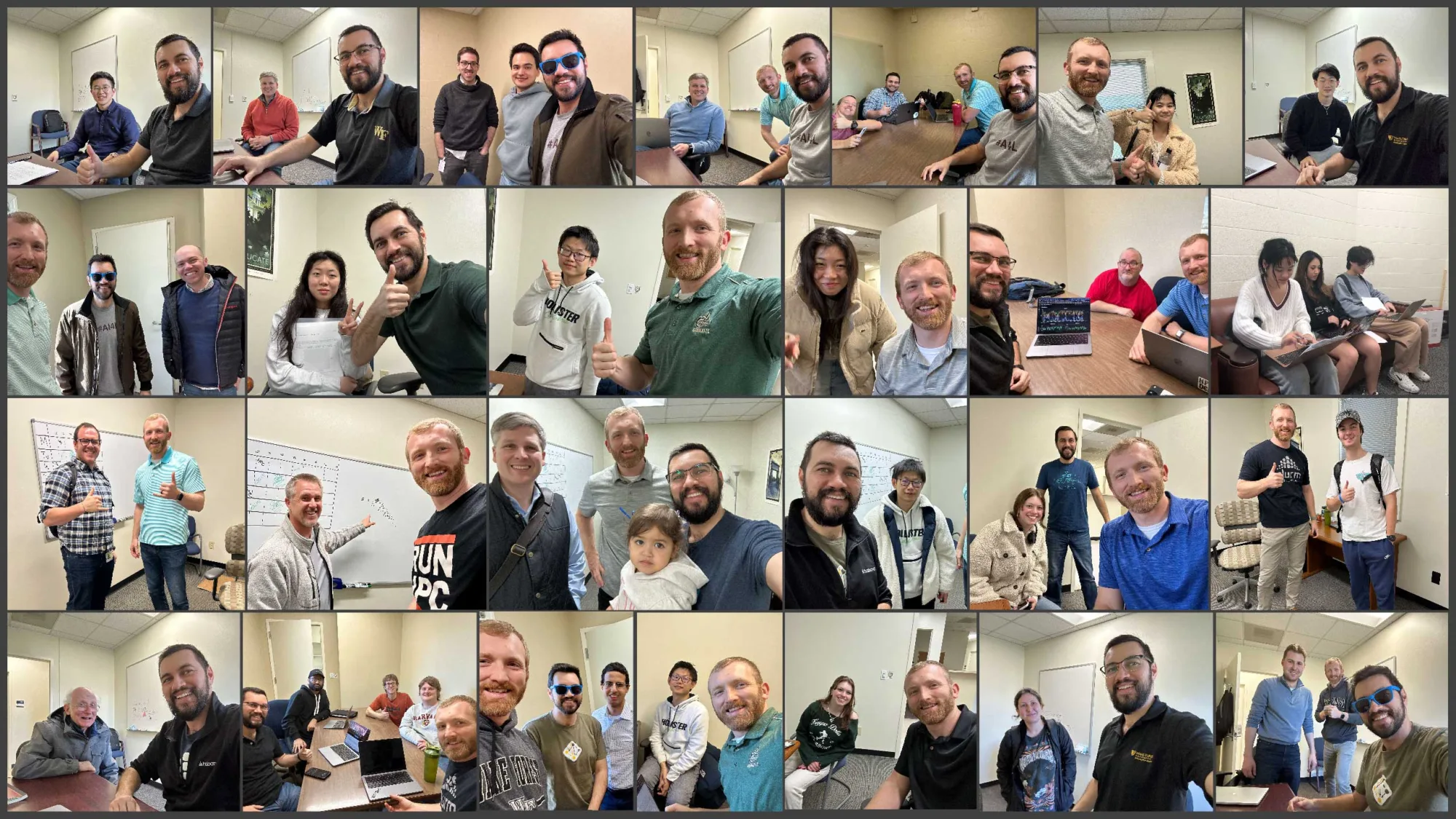
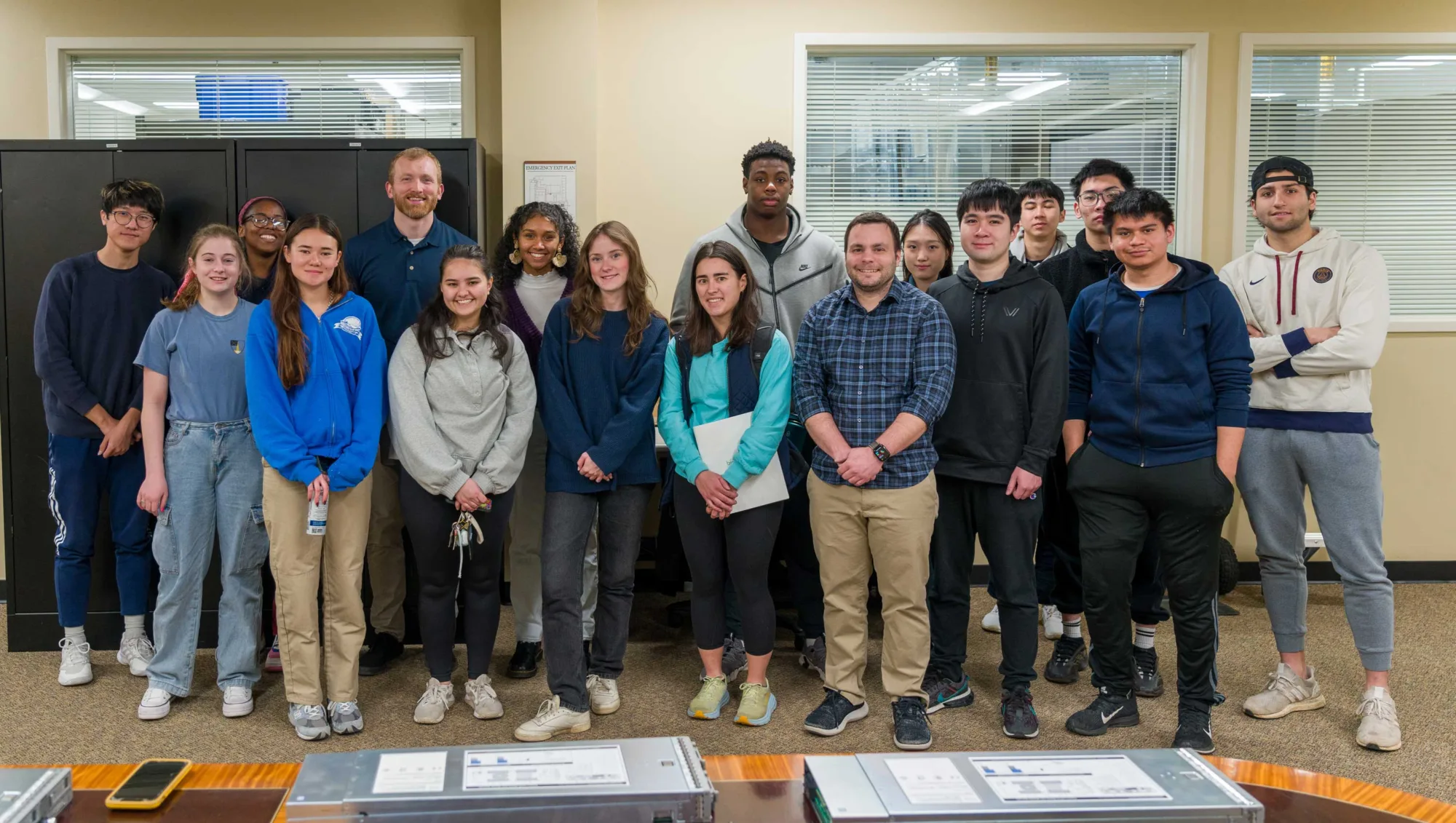
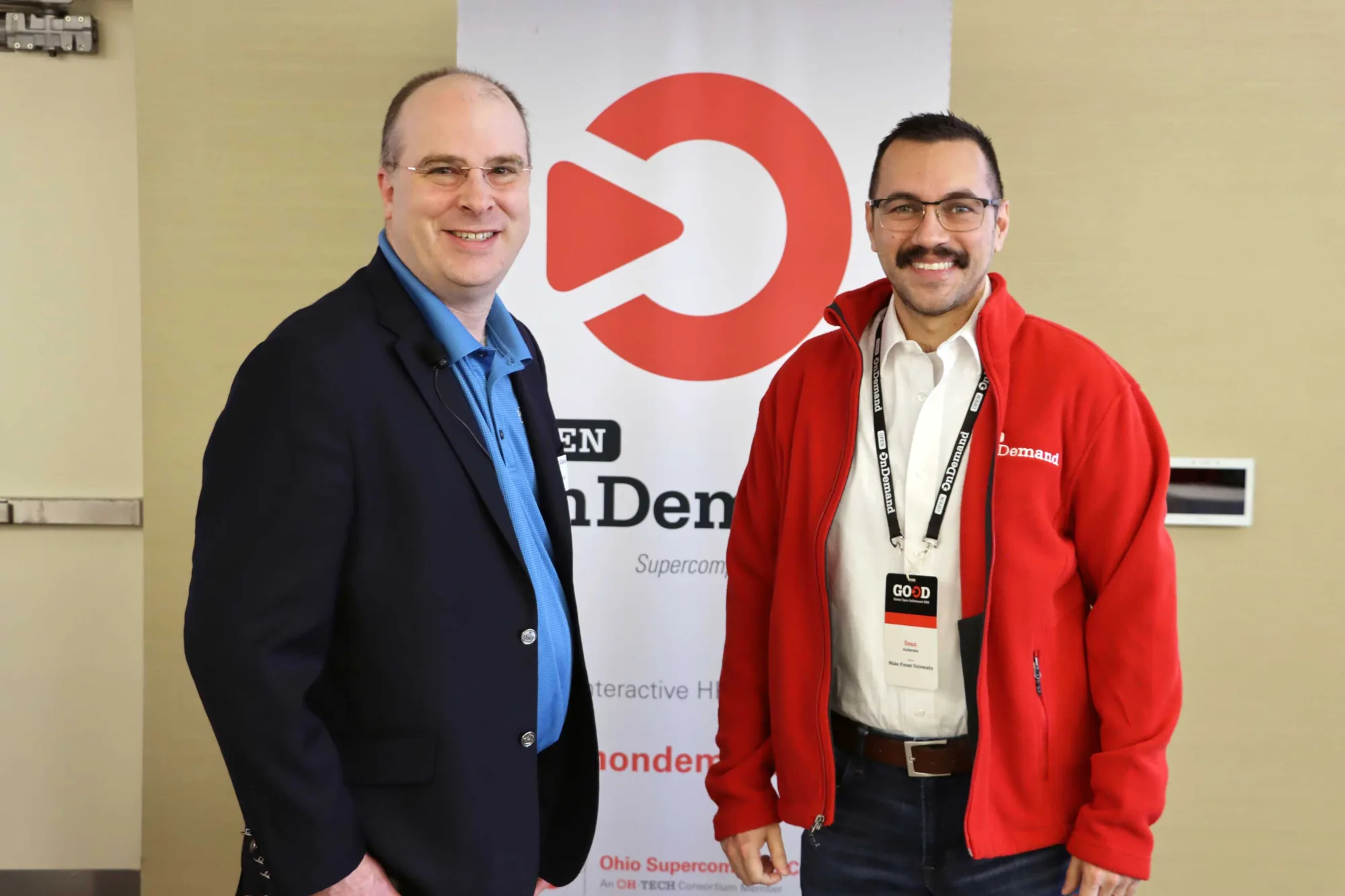
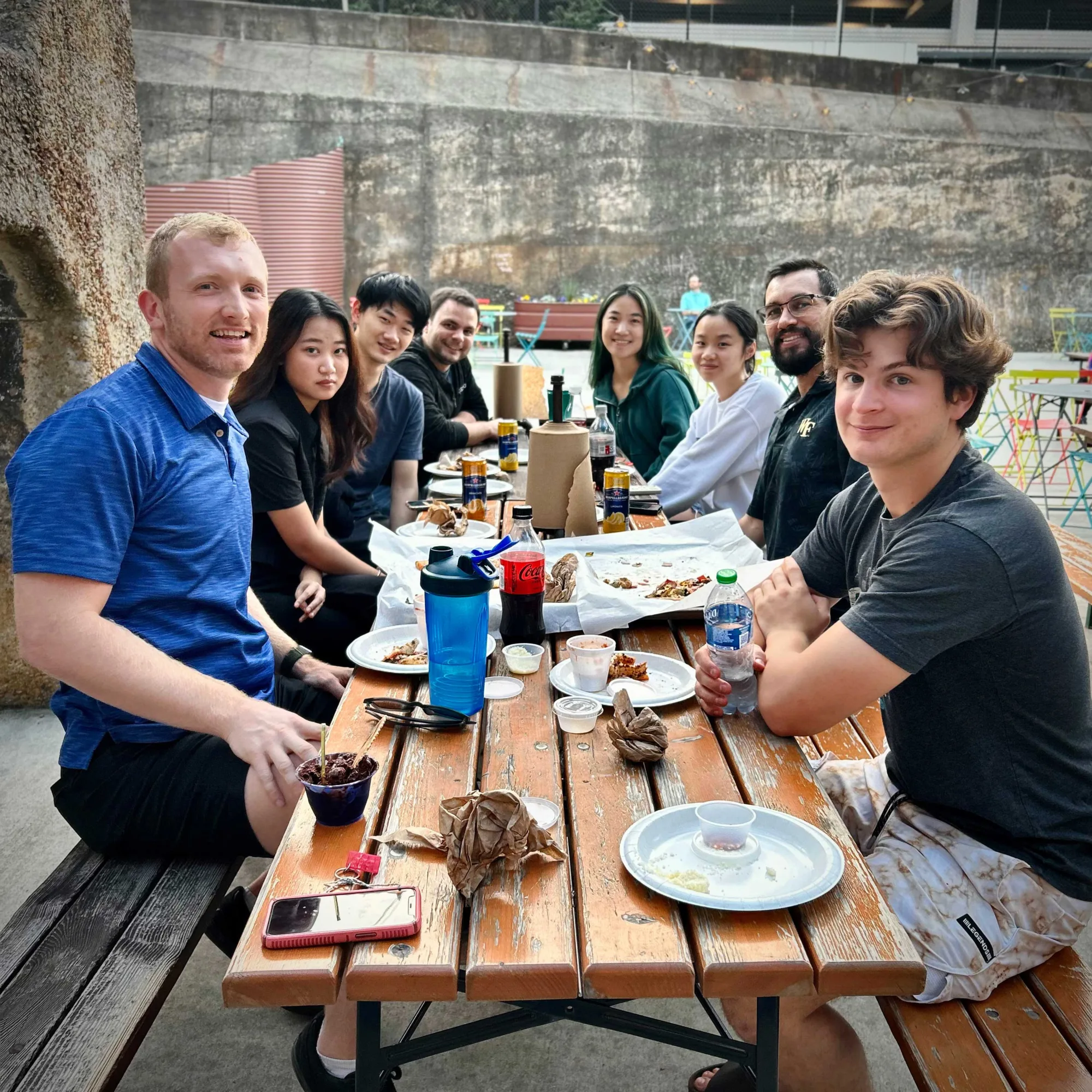
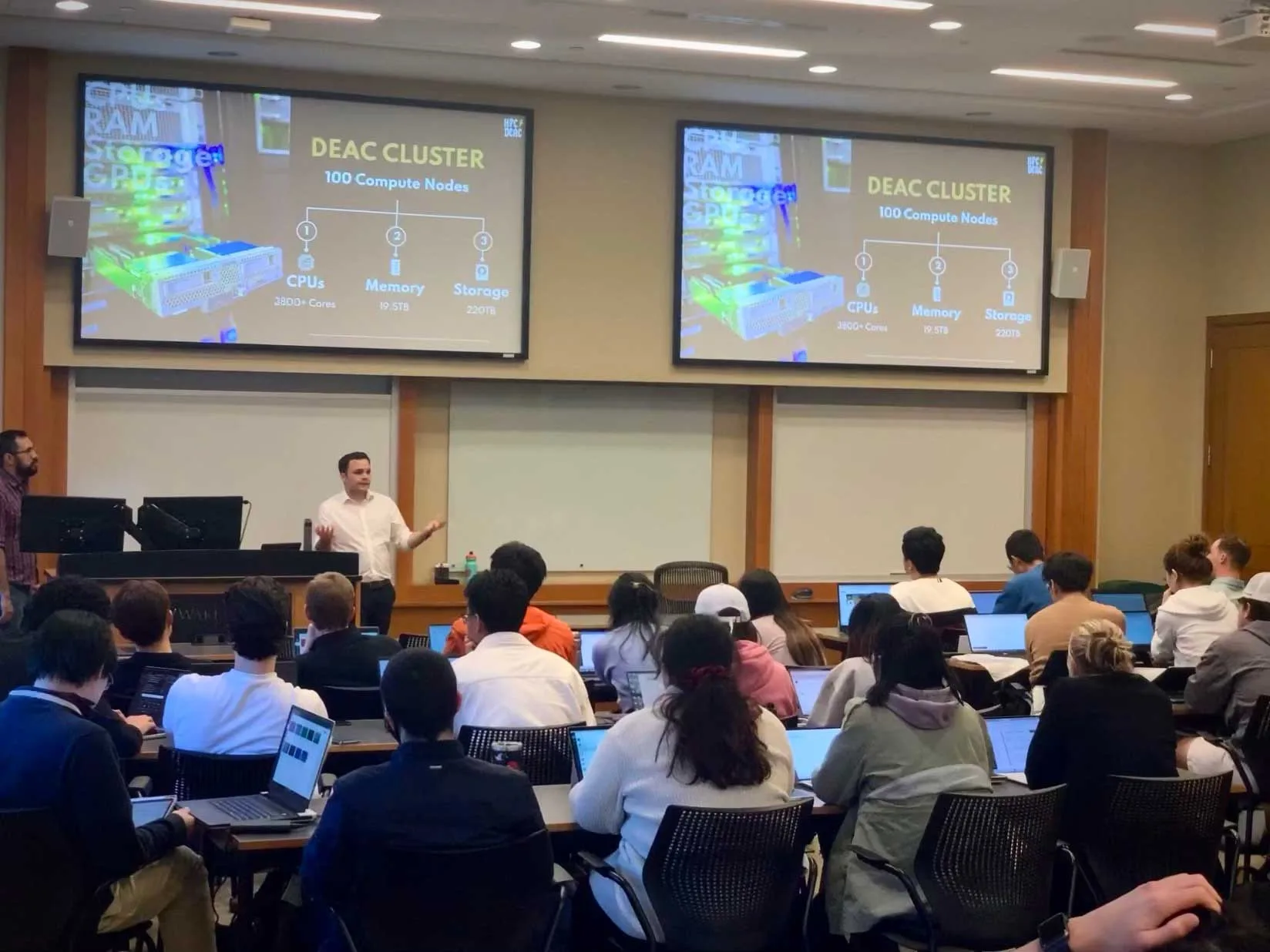
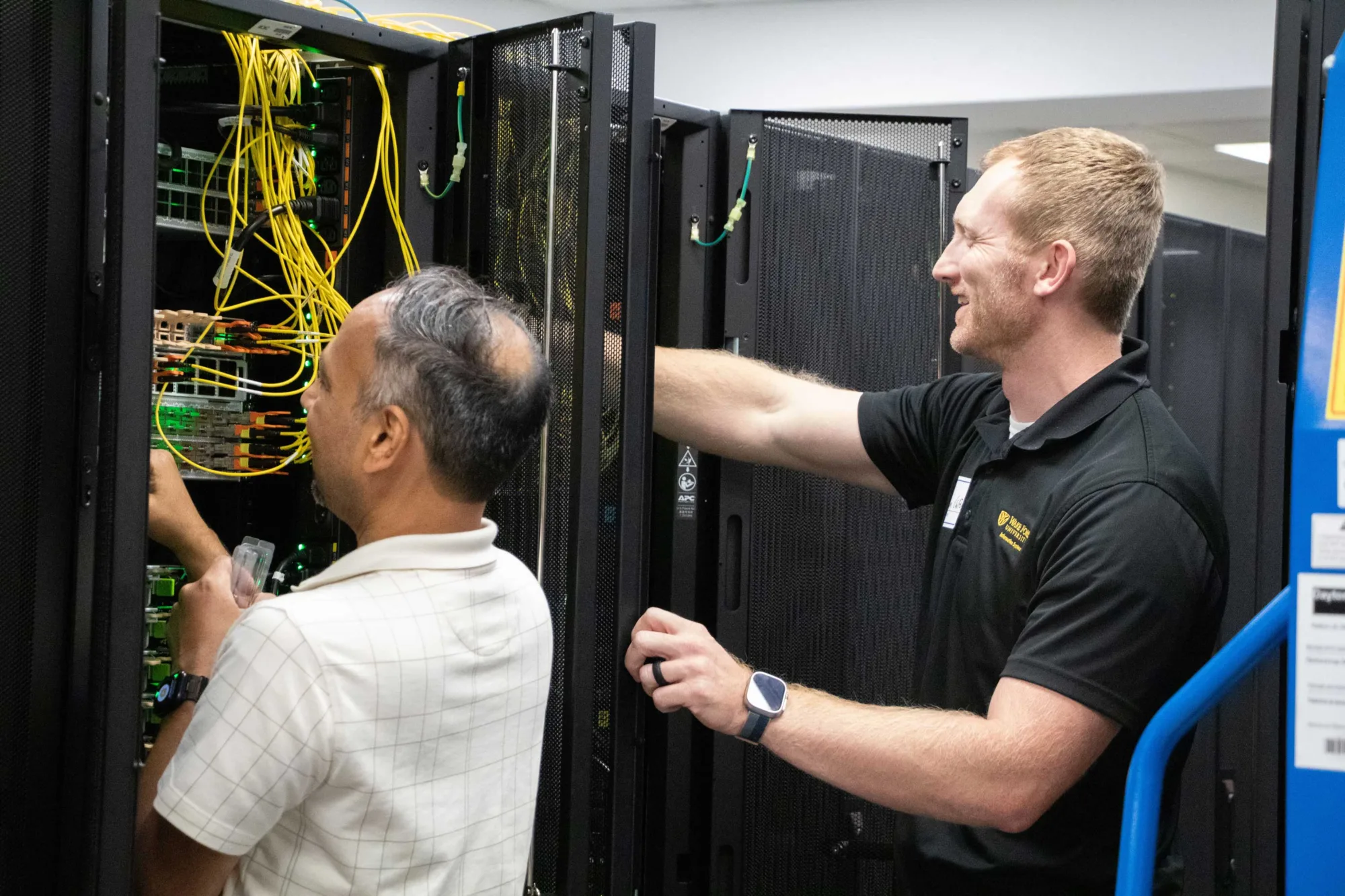
The HPC Team
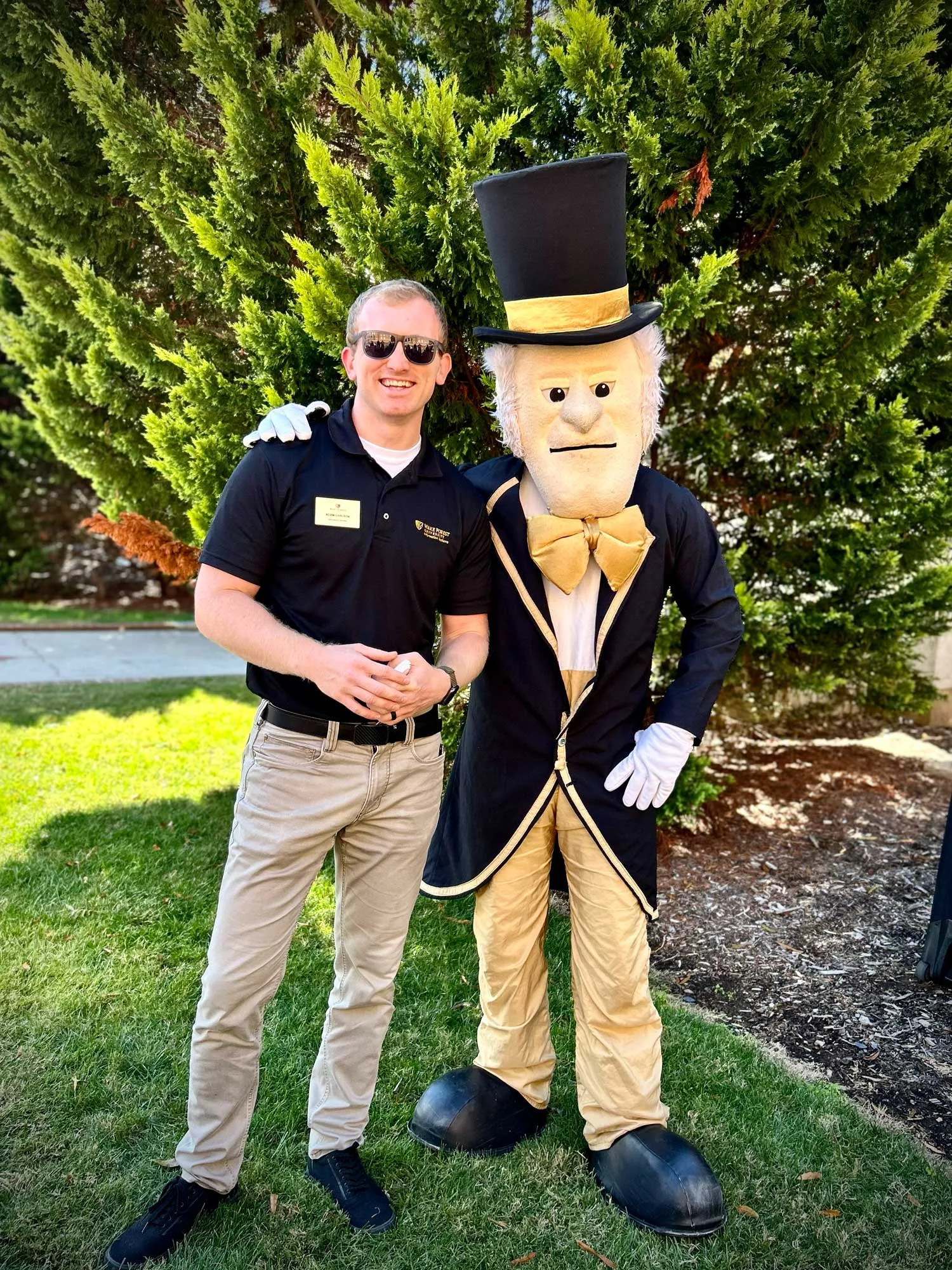
Adam Carlson

is the Assistant Director for Research Computing, managing the HPC Team and acting as the primary HPC Systems Architect. A Computer Engineer by trade, Adam has over 20 years of experience managing and administering complex systems. Upon joining Wake Forest University in 2014, his main charge was to transform the DEAC Cluster into an Enterprise Level service with high uptime and reliability. Primary responsibilities include architecting the cluster’s hardware platform, advancing system management and configuration automation software, managing research storage platform, and integrating system best practices and user policies. He enjoys meeting with students and faculty to provide in-depth cluster training and troubleshooting, as well as providing classroom instruction for guest lectures. Adam also serves as the Wake Forest board representative on WinstonNet, a local non-profit advocating to bridge the digital divide in the greater Winston-Salem / Forsyth County area
Cody Stevens (BS ’12, MS ’14)

is a Senior High Performance Computing (HPC) Systems Administrator and Adjunct Professor of Computer Science at Wake Forest University. A proud “Double Deac,” Cody earned both his degrees from WFU, specializing early on in GPU computing using NVIDIA’s CUDA platform. He serves on the core team that manages the DEAC Cluster, the university’s central supercomputer, and also supports the Department of Computer Science’s computing infrastructure. Throughout his career at WFU, Cody has architected local and cloud computing environments for courses requiring advanced computing resources, and has built custom software stacks for GPU enabled programs. A dedicated educator, he bridges systems administration and the classroom by developing undergraduate HPC curricula and building new tools to deliver course content using the DEAC Cluster’s Open OnDemand platform.. He also acts as a technical liaison for the University’s AI Impact Clinic and currently teaches an applied artificial intelligence and language model course. Looking ahead, Cody continues to pioneer the integration of cutting-edge technologies into higher education, including embedding his AI digital clone, C.O.D.I.E., into upcoming course deliverables to support WFU’s broader AI initiatives.
Sean Anderson

serves as a Senior UNIX HPC Systems Administrator at Wake Forest University, specializing in bridging the gap between complex research requirements and high-performance computing infrastructure. With a Ph.D. in Optical Science and 15 years of experience in HPC systems, he brings a unique, researcher-first perspective to the management of the DEAC Cluster. Since joining the WFU team in 2020, Sean has partnered closely with faculty and students to deliver the specialized tools and libraries essential for maximizing research output across disciplines. A central pillar of his work is a deep involvement in the Open OnDemand (OOD) ecosystem, where he focuses on lowering the barrier of entry for the campus community through intuitive, web-based access to HPC resources. Beyond campus, Sean is a recognized expert and contributor in the OOD community. He is an active member of the OOD Appverse and Community Engagement Committees and has presented extensively on the project at both national and international conferences.